Mental Fitness Mondays: Sleep & Your Mental Fitness
30th March 2026What happens to your mental fitness when you’re tired?
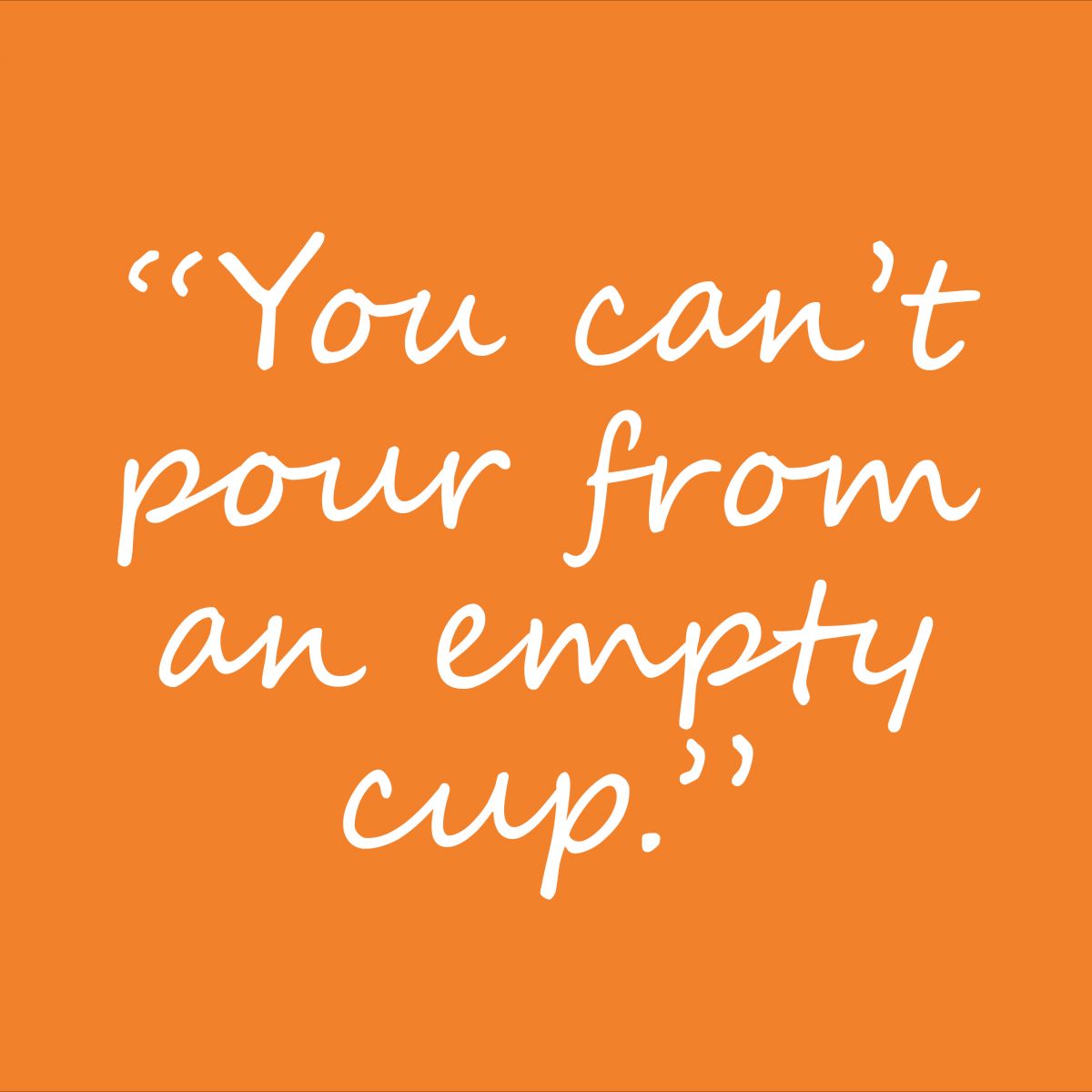
“You can’t pour from an empty cup.” We’ve all heard that before, but when we’re sleep deprived, that’s what we’re trying to do.
When we don’t get enough sleep, it doesn’t just make us tired; it impacts every area of our mental fitness. Neuroscience shows us why. During deep sleep, your brain clears out waste products, restores energy supplies, and strengthens neural connections. Think of it as your brain’s overnight “reset button.” Without this, your ability to regulate emotions, focus, and make good decisions starts to crumble.
So what does this mean for your mental fitness muscles?
- Self Care: Sleep is one of the strongest foundations of resilience. Without it, your immune system dips, your mood lowers, and you’re more vulnerable to stress. Even your sense of self-regard can take a knock, because fatigue tends to feed negative self-talk.
- Self Organisation: Tired brains struggle to focus and stay mindful. Neuroscience tells us the prefrontal cortex (the part of the brain responsible for planning, organisation and impulse control) is one of the first areas to suffer when sleep is cut short. That’s why it’s harder to resist temptations or stick with your to-do list.
- Self Development: Lack of sleep drains motivation and makes challenges feel overwhelming. It’s harder to rise to challenges or connect with your sense of purpose when you’re exhausted.
- People Skills: When you’re tired, you’re more irritable and less empathetic. This isn’t you being “bad-tempered” – it’s your brain struggling to regulate emotions. Functional MRI scans show that the amygdala (the threat centre of the brain) becomes overactive when we’re sleep deprived, while connections to the prefrontal cortex weaken. No wonder relationships can suffer.
The good news is that sleep is one of the most powerful mental fitness exercises you can commit to. Improving your sleep routine with consistent bedtimes, reducing screen time before bed, and winding down properly, can strengthen every one of your mental fitness muscles. I recommend Sleep Tips - National Sleep Foundation as a great starting point. As a perimenopausal woman, I also recommend having a cool room with as few sensory disturbances as possible, including making the room really, really dark.
Coaching question for you: What one change could you make this week to give your sleep a boost?