Mental Fitness Mondays: The Confusion about Positivity
2nd March 2026Positivity, Negativity, and Toxic Positivity: What's the Difference?
Let’s talk about positivity - real positivity - and why it often gets misunderstood. People sometimes think being mentally fit means we’re relentlessly upbeat. But that’s not what genuine positivity looks like.
To explore this, here’s a little story…
Imagine you’re driving with a colleague to an important meeting. You’re cutting it fine and there’s still an hour to travel. You’ve just passed the motorway services when your fuel warning light comes on.
Here’s how this might play out through three different mental lenses:
Negativity
“Oh no, we’re going to miss the meeting! This is a disaster, we might be in real trouble at work, and we’ll probably be stranded on the motorway.”
Toxic Positivity
“Good vibes only! It’s all just fine. The meeting isn’t important really and fuel gauges always lie anyway. Stop worrying about it, problems are negative, and I don’t do negative.”
Genuine Positivity
“Okay. This is not ideal, and the meeting is important to get to. Let’s stay calm, find the next service station, and just to be safe, can you call ahead to let them know we might be five minutes late? Maybe they can push the start time slightly. We’re doing what we can and it’s a useful lesson for another time.”
So What’s the Difference?
- Negativity sees only the problem and assumes there’s no way forward. If we stay stuck in this zone, we can feel helpless and hopeless.
- Toxic positivity denies the problem or belittles others for being concerned, treating difficult feelings as weakness and limiting conversations. It’s the person who learns that you’ve lost your job and they say, ‘Oh well, at least you’ll get a good pay out’ or ‘Cheer up, it could be worse, you could be in a war zone’. Toxic positivity often comes from a misguided attempt to cheer others up or keep things light, but it masks a need to not face reality with courage and empathy.
- True positivity respects reality and searches for solutions; calmly, kindly, and with a belief that things can still go well, even if that takes time or adaptations.
Why This Matters at Work
In workplaces where being “negative” is seen as a character flaw, people stop sharing. They silence their voices, but their feelings don’t disappear. A client of mine once shared that the leadership team seemed to be “smiling their way off the clifftop” with a new initiative. The culture was ‘good vibes only’ so those with concerns didn’t feel able to speak up.
If we create cultures where problems are seen as shameful, and voicing concerns means you’re a ‘mood hoover’ or someone to avoid, people don’t become more positive. They just become more performative.
Mentally fit people don’t do that.
They listen.
They empathise.
They acknowledge difficulty and look for next steps.
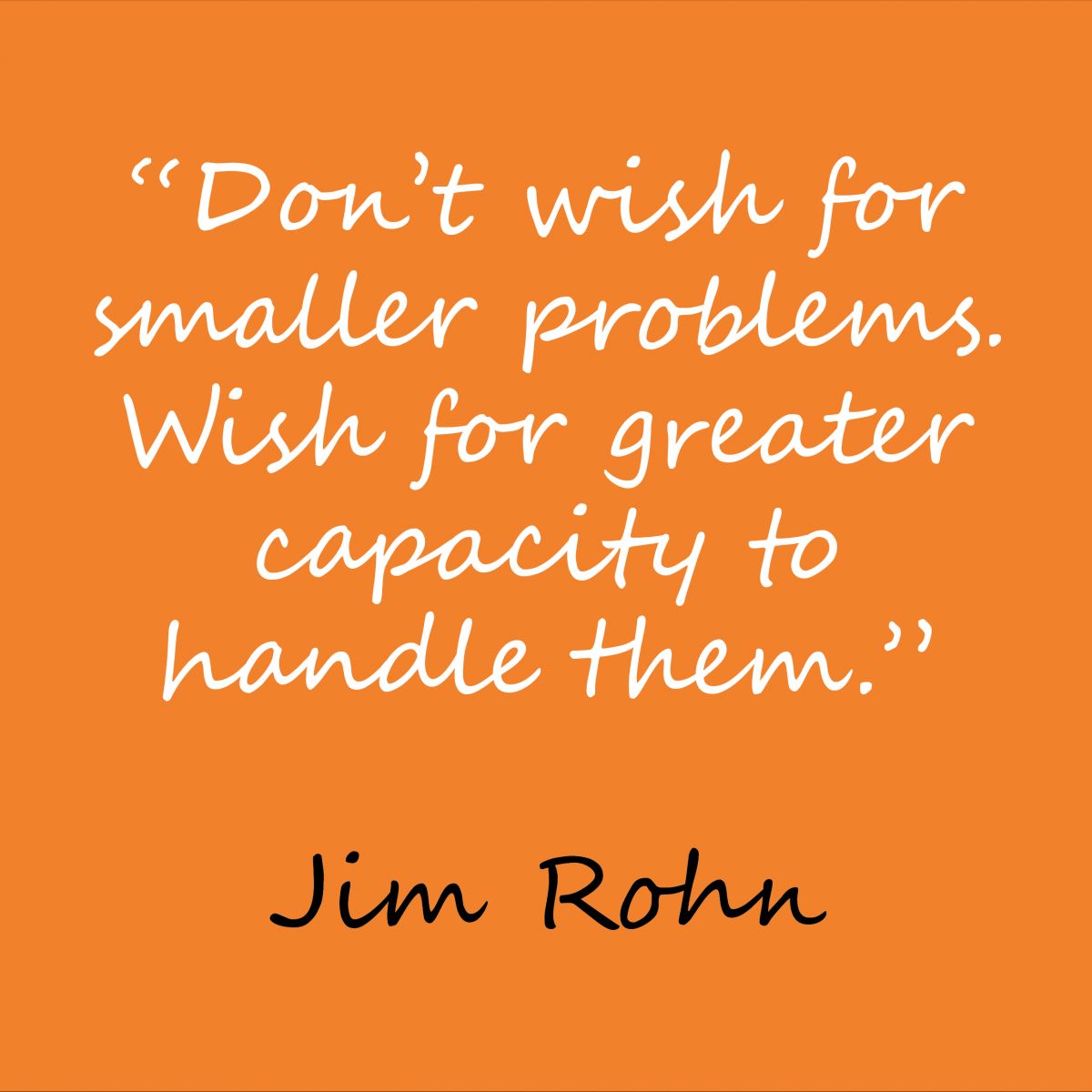
As Jim Rohn said:
“Don’t wish for smaller problems. Wish for greater capacity to handle them.”
Mentally fit people don’t just “stay positive” they flex their People Skills muscles to create cultures of trust, curiosity, and possibility. Here are the muscles you might use:
Social & Communication Skills
Be someone who hears others without rushing to fix, dismiss, or dominate the conversation. Let people feel truly heard. It’s normal to feel negative and down at times, especially when external circumstances are affecting us.
Empathy & Compassion
Assume that those who seem “negative” might simply be stuck, tired, or overwhelmed; not difficult or bad. Respond with care, not labels.
Social Confidence
Dare to ask thoughtful questions that invite your team to speak honestly, without fear of being judged. Create space for real conversations, not just performative positivity.
True positivity means acknowledging the hard stuff and believing in a shared capacity to grow through it together. It might even look like negativity at the start, but that’s just part of someone working things out in a more genuine way. We need more of this in the world!
Coaching Questions
- When faced with a problem, in yourself or someone else, do you tend to lean towards negativity, toxic positivity, or genuine positivity? What does that look like in practice?
- What would it take to respond to challenges in a way that’s honest, hopeful, and mentally fit for both yourself and those around you?